

By Qaiser Nawab
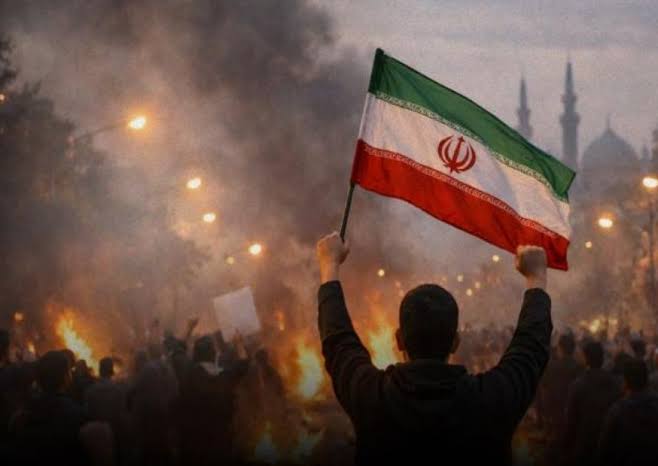
As the conflict in Iran intensifies following the U.S. and Israeli strikes that began on February 28, 2026, the region faces profound instability. The situation remains fluid, with implications extending to neighboring countries, including Pakistan’s Balochistan province, which shares a 900-kilometer border with Iran’s Sistan-Baluchistan region.
Balochistan, already navigating its own developmental and security challenges, is witnessing direct consequences from the unrest in Iran. Balochistan Chief Minister Sarfraz Bugti reported that nearly 2,000 individuals had entered by early March 2026, with provincial authorities on high alert and providing necessary assistance.
The United Nations has cautioned that prolonged instability in Iran could trigger larger population movements toward Balochistan, potentially straining local resources in healthcare, education, and basic services.Border trade, a lifeline for communities on both sides, has come to a halt amid the tensions.
Informal exchanges of goods, including fuel and essentials, have ceased, driving up food prices in parts of Balochistan and causing economic hardship for residents reliant on cross-border commerce. Security concerns add another layer of complexity. The shared border has historically been a conduit for various militant activities, with groups operating in the porous terrain.
Prolonged unrest in Iran risks creating vacuums that could exacerbate existing insurgencies or enable opportunistic movements across the frontier. This could divert resources needed for development and stability in Balochistan, where efforts to improve infrastructure, education, and livelihoods are ongoing priorities.
Pakistan has responded measuredly to the evolving situation. Authorities have activated administrative and security mechanisms at border crossings, ensuring orderly management of returns while monitoring for broader risks. Diplomatic channels remain open, reflecting a commitment to regional calm. De-escalation is essential not only for Iran but for the stability of neighboring areas like Balochistan.
Regional actors, including Pakistan and Iran, share a mutual interest in preventing spillover. Strengthened border management, humanitarian coordination, and revival of economic linkages such as trade resumption when conditions allow could mitigate immediate harms. International support for humanitarian preparedness, including aid for potential displacements, would help address emerging needs without politicizing the crisis. In this moment of uncertainty, the call for peace is urgent. Protecting civilian lives, preserving economic ties, and preventing wider conflict remain shared responsibilities.
About the Author:

Qaiser Nawab is Chairman of the Belt and Road Initiative for Sustainable Development (BRISD), an international platform focused on fostering cooperation and innovation across Asia, Africa, and Latin America. He can be reached at qaisernawab098@gmail.com
