

By Qaiser Nawab, Chairman BRISD
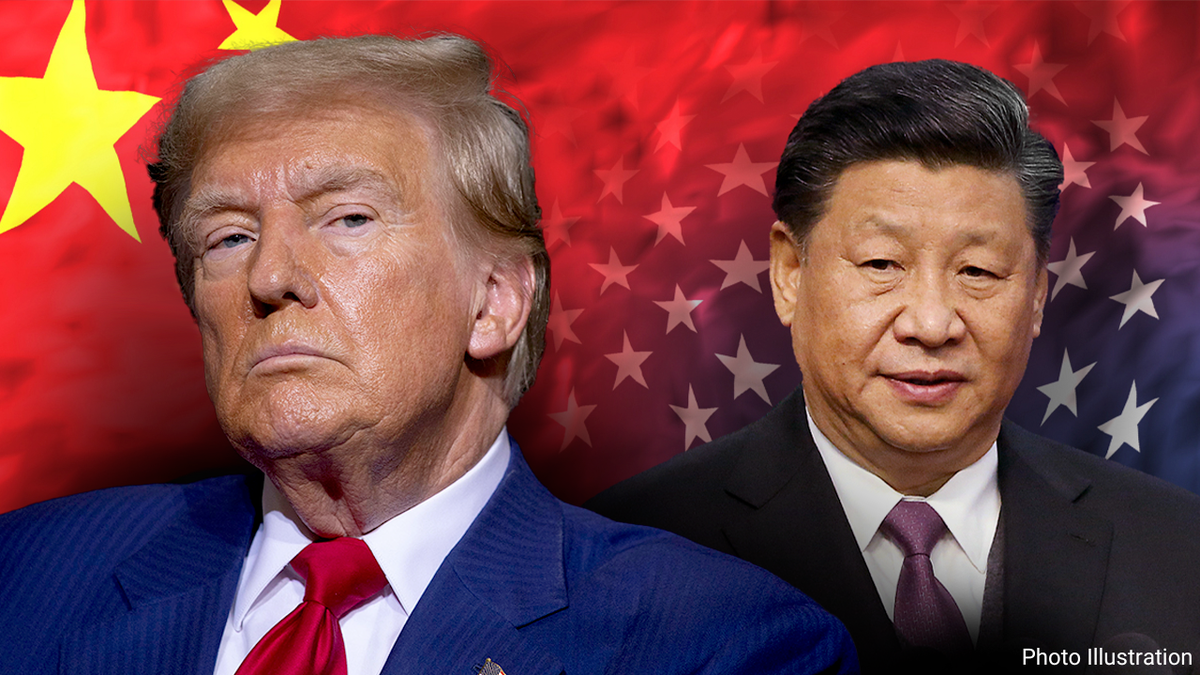
President Donald Trump’s state visit to Beijing on May 13-15 marks the first trip by a sitting US president to China in nearly a decade. Occurring against the backdrop of global economic uncertainty and ongoing Middle East tensions, particularly the conflict involving Iran, the summit provides a critical opportunity for the world’s two largest economies to manage their rivalry through pragmatic engagement rather than escalation. For nations like Pakistan, which maintain important relationships with both Washington and Beijing, the outcome carries implications for regional stability, trade flows, and development cooperation.
The visit, originally postponed due to developments around Iran, has been rescheduled with both sides signalling commitment. Trump has expressed optimism, describing the trip as potentially yielding “great things,” while Chinese officials have prepared for discussions on trade imbalances, technology competition, Taiwan, critical minerals, and possible Chinese influence in stabilising energy routes such as the Strait of Hormuz.
Stabilising Trade and Economic Ties
Trade and economic issues are expected to dominate the agenda. Trump’s administration has relied on tariffs as leverage, while China continues to stress mutual benefit. Analysts anticipate discussions on expanding Chinese purchases of US agricultural products, Boeing aircraft, energy exports, and potential frameworks for semiconductors and critical minerals. A delegation of US business executives, including representatives from Apple, Tesla, and BlackRock, accompanies the visit, underscoring corporate interest in maintaining market access and supply chain stability.
For American companies, the Chinese market and manufacturing base remain vital. In recent years, US firms have continued to generate significant revenue from China despite tensions. Preserving access helps moderate costs for consumers and manufacturers at a time when stagflation risks loom in parts of the Western economy. Both sides have incentives to avoid outcomes that further disrupt global growth, supply chains for AI infrastructure, and renewable energy components. Complete decoupling has proven costly and impractical.
From Pakistan’s perspective, a managed US-China economic relationship provides much-needed predictability. Our development initiatives, including projects under the China-Pakistan Economic Corridor, benefit from stable great-power dynamics. Heightened confrontation tends to raise commodity prices, disrupt investment flows, and constrain policy options for middle powers. Constructive dialogue in Beijing could help anchor global markets and ease pressures on emerging economies.
Broader Strategic Context
The summit does not happen in isolation. The ongoing Iran conflict and disruptions in energy routes have highlighted shared stakes in global stability. China, as the world’s largest energy importer, and the United States, with its strategic alliances, both stand to lose from prolonged volatility in the Middle East. While differences remain sharp on regional issues, there is scope for quiet coordination on keeping critical sea lanes open and supporting de-escalation.
Taiwan, technology competition, AI leadership, and the South China Sea are likely to feature, but observers expect the tone to prioritise crisis management over confrontation. Trump’s preference for bilateral, transactional diplomacy may allow flexibility, while President Xi Jinping’s focus on long-term development favours a predictable external environment. The summit’s success may be measured not by grand breakthroughs but by the establishment of better communication channels and guardrails to prevent miscalculation.
Previous Trump-Xi meetings demonstrated that personal rapport and deal-focused discussions can produce limited but tangible agreements even amid strategic rivalry. This visit builds on that precedent in a more complex global landscape.
Realism as the Wisest Course
The Beijing summit underscores a fundamental reality: the United States and China cannot escape deep economic and global interdependence. Their combined weight means sustained hostility imposes costs on the entire international community. Responsible statesmanship lies in compartmentalising competition while cooperating on shared challenges such as supply chain resilience, energy security, and financial stability.
Pakistan has long advocated for dialogue and engagement over rigid bloc politics. As a country with deep strategic and economic ties to China and important relations with the United States, we welcome efforts that reduce unnecessary tensions. A productive visit — marked by lowered rhetoric, practical understandings, and sustained high-level contact — would enhance the predictability smaller economies need for investment and development planning.
No one expects the meetings to resolve fundamental differences over technology, regional influence, or values. Structural competition will persist. Yet maturity in great-power relations means recognising that rivalry need not preclude mutually beneficial transactions on specific issues. Trump’s deal-making approach and China’s emphasis on “win-win” outcomes, though interpreted differently, can create common ground where interests align.
As President Trump arrives in Beijing this week, the world will watch closely for signals of restraint and pragmatism. In today’s turbulent environment, even modest stabilisation between the United States and China constitutes a valuable public good. Pakistan, like many nations, hopes the summit yields enough concrete progress to keep economic channels open and prevent flashpoints from escalating further.
Great powers carry immense responsibilities. Exercising them through direct, candid engagement — as will occur in Beijing — remains far preferable to drift or unchecked confrontation. The coming days may not reshape the global order, but they can help steady it when steadiness is most needed.
About the Author:
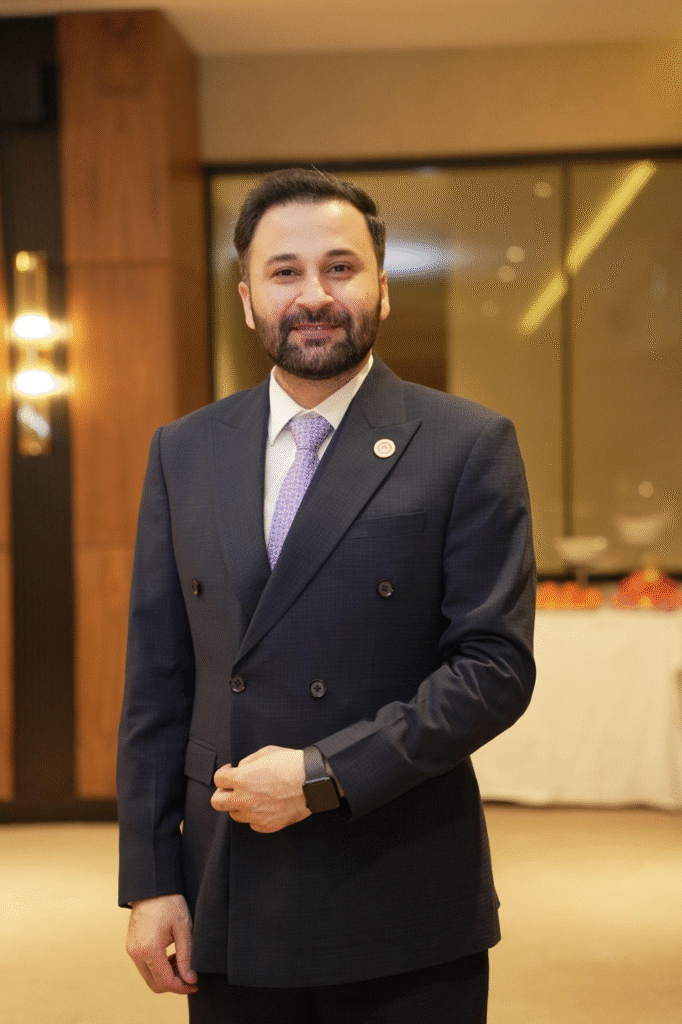
Qaiser Nawab is Chairman of the Belt and Road Initiative for Sustainable Development (BRISD), an international platform fostering cooperation and innovation across Asia, Africa, and Latin America. He can be reached at qaisernawab098@gmail.com
